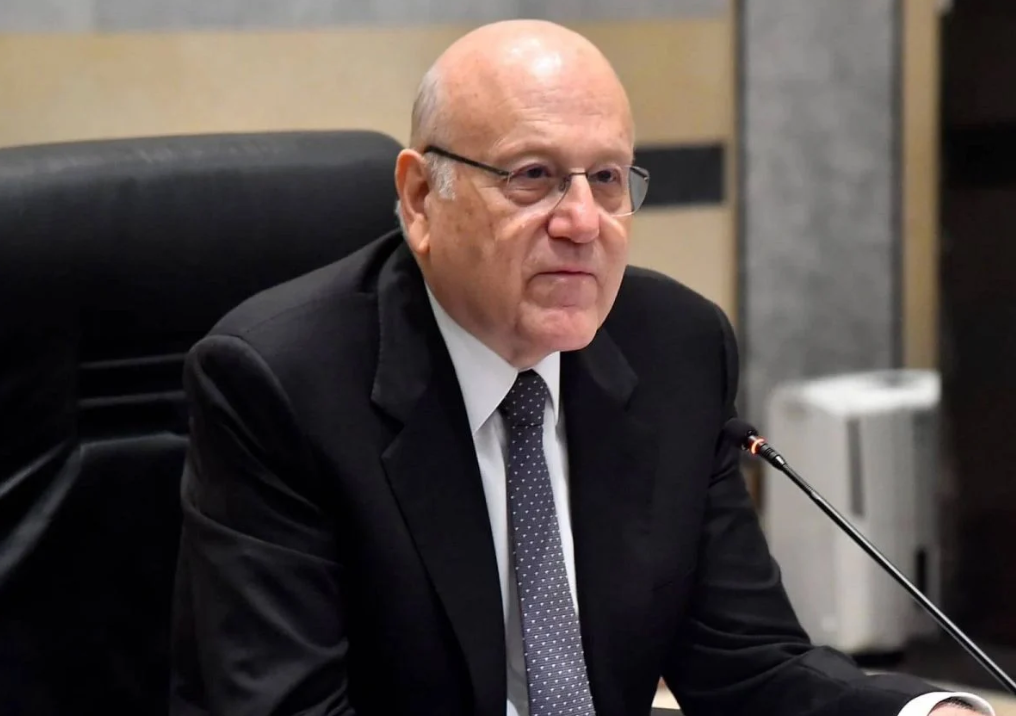
On September 12, 2025, French prosecutors opened a fraud inquiry into billionaire Najib Mikati, Lebanon’s former prime minister. The investigation focuses on whether he used shell companies and concealed ownership structures to acquire properties in France, part of a pattern that watchdogs argue allowed Lebanese elites to move wealth out of the country even as the economy imploded. For many Lebanese the news carried a double edge. It confirmed suspicions that political fortunes are tied to corruption, and it underscored that accountability almost never comes from Beirut itself but from courts abroad.
Mikati built his wealth in telecommunications. His company Investcom, co-founded with his brother, expanded across Africa and the Middle East before being sold to South Africa’s MTN Group for more than five billion dollars in 2006. That windfall made him one of the richest men in the Arab world and allowed him to step into politics as prime minister during crises in 2005, 2011, and again in 2021. Yet his name has repeatedly appeared in investigations. In 2019 Lebanese prosecutors charged him with illicit enrichment tied to subsidized housing loans, though the case quickly stalled in local courts. Critics have long argued that his family businesses blurred the line between political authority and private profit.
The timing of the French inquiry is significant because it comes against the backdrop of Lebanon’s economic collapse, one of the worst globally since the mid-nineteenth century according to the World Bank. The crisis began in 2019 when years of mismanagement, corruption, and a banking system built on unsustainable debt flows unraveled. The Lebanese pound lost more than 90 percent of its value, banks froze depositors’ savings, and poverty rates soared. Ordinary citizens were locked out of their accounts, yet members of the political and financial elite managed to transfer billions abroad before capital controls tightened. Investigations by local and international watchdogs suggest that those who profited were the very families and networks that had run the state for decades, shielding their fortunes overseas as citizens were left destitute.
The French probe into Mikati underscores how these fortunes are not only preserved abroad but can also come under scrutiny once they cross borders. Prosecutors are examining his French real estate portfolio and the financial structures used to secure it, raising the possibility of legal exposure in a jurisdiction where political influence carries less weight. For Lebanese citizens, the symbolism is stark. Domestic courts failed to hold elites accountable, yet foreign courts may do what local systems could not. Whether the inquiry produces charges is uncertain, but it shows how the wealth of Lebanon’s ruling class continues to shape lives long after it leaves the country.
Sources
- Al-Monitor. ‘Former Lebanese PM Faces Fraud Inquiry in France.’ September 12, 2025. https://www.al-monitor.com/originals/2025/09/former-lebanese-pm-faces-fraud-inquiry-france-lawyers
- ‘Lebanon indicts PM Mikati, family members for illicit enrichment.’ October 2019. https://www.reuters.com/article/us-lebanon-mikati-idUSKBN1X92FT
- World Bank. ‘Lebanon Sinking (to the Top 3).’ June 2021. https://www.worldbank.org/en/news/press-release/2021/06/01/lebanon-sinking-to-the-top-3
- Transparency International. ‘Lebanon’s Banking Collapse and Accountability.’ 2022 reports. https://www.transparency.org