On September 10, 2025, the U.S. government barred entry to two of Montenegro’s most prominent figures: former Supreme Court president Vesna Medenica and former Budva mayor Milo Bozovic. Washington cited corruption and links to drug trafficking, arguing that their actions undermined the rule of law in a country still hoping to join the European Union.
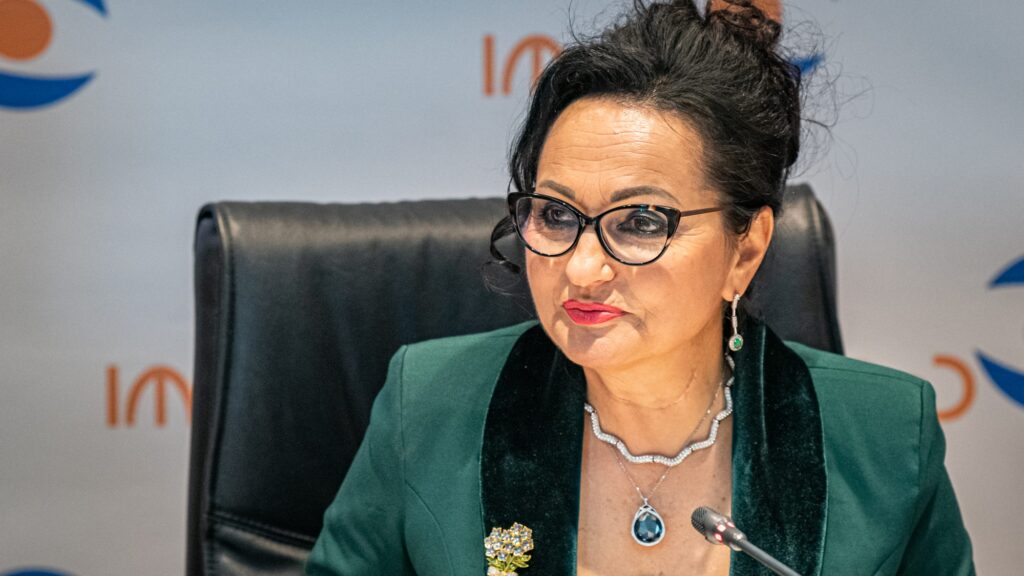
Medenica had served as President of the Supreme Court for over a decade after an earlier post as Supreme State Prosecutor, placing her at the very top of Montenegro’s judiciary. She now faces accusations that she abused those positions to protect smuggling networks and manipulate rulings for criminal groups. Prosecutors say her son Miloš led a 16-member organization engaged in drug and cigarette trafficking, with Medenica providing cover through her judicial authority. Wiretap evidence allegedly shows her family coordinating with police contacts on smuggling routes through the port of Bar. The U.S. sanctions extended not only to Medenica herself but also to her children, underscoring how deeply family ties are alleged to have blended with criminal operations.
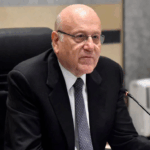
Bozovic’s story is equally revealing. As mayor of Budva and a member of the Democratic Front alliance, he had control over municipal contracts and procurement decisions, yet prosecutors in Serbia arrested him in 2023 on charges of running a cocaine smuggling network. Even after his arrest, he reportedly continued to exercise influence over Budva’s municipal affairs, a symbol of how entrenched figures can retain political leverage despite facing serious criminal allegations. The U.S. ban also covered his close relatives, reflecting concern that illicit proceeds flowed through family channels as well.
The sanctions tell a bigger story. For years Montenegro has been flagged as a hub for cigarette and drug smuggling, with profits flowing into politics and real estate. When senior officials at the pinnacle of the judiciary and local government are implicated, it signals how deeply illicit networks penetrated the state. That is why Brussels keeps delaying Montenegro’s EU accession — corruption is not a side issue, it is the main obstacle. The U.S. measures highlight that when local systems fail, outside governments step in, hoping to choke off the external support that keeps criminalized elites in power.
Sources
- S. Embassy in Montenegro. ‘U.S. Designates Two Montenegrin Public Officials Over Significant Corruption.’ September 10, 2025. https://me.usembassy.gov/u-s-designates-two-montenegrin-public-officials-over-significant-corruption/
- Balkan Insight. ‘US Bars Montenegrin Ex-Officials for Alleged Corruption, Drug Trafficking.’ September 10, 2025. https://balkaninsight.com/2025/09/10/us-bars-montenegrin-ex-officials-for-alleged-corruption-drug-trafficking/
- Eurasia Review. ‘US Bars Montenegrin Ex-Officials for Alleged Corruption, Drug Trafficking.’ September 11, 2025. https://www.eurasiareview.com/11092025-us-bars-montenegrin-ex-officials-for-alleged-corruption-drug-trafficking/
- net. ‘US Sanctions Former Montenegrin Official for Corruption and Aiding Drug Trafficking.’ September 2025. https://reporteri.net/en/NEWS/rajon/US-sanctions-former-Montenegrin-official-for-corruption-and-aiding-drug-trafficking/
- al. ‘SHBA fut në listën e zezë dhe sanksionon dy ish-zyrtarë të Malit të Zi.’ September 2025. https://politiko.al/english/rajoni/shba-fut-ne-listen-e-zeze-dhe-sanksionon-dy-ish-zyrtare-te-malit-te-zi-ka-i539911